
What Is The Difference Between Part 61 and Part 141 Flight Schools?
Discover key differences between FAA-regulated Part 61 and Part 141 aviation flight schools and what they mean for your pilot training.
What Is The Typical Roadmap For CFIs To Build 1500 Hours?
Becoming a certified flight instructor (CFI) is often seen as a stepping stone for pilots aspiring to build the necessary flight hours for an Airline Transport Pilot (ATP) certificate. But how exactly does instructing help you log those critical 1500 hours? Is it a slow grind, or can you strategically accelerate the process? Let’s explore […]
How Can Flight Instructing Build Experience For Your Career?
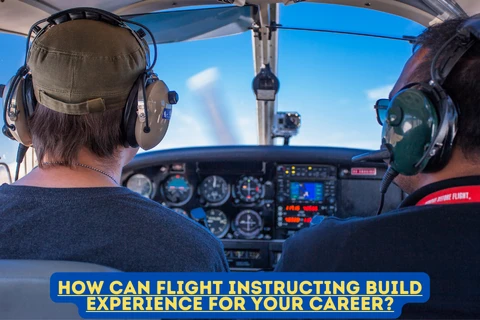
Discover how flight instruction under FAA guidance elevates aviation careers, enhancing pilot skills and expertise in flying airplanes.
Commercial Pilot vs Corporate Pilot? What is the Difference?
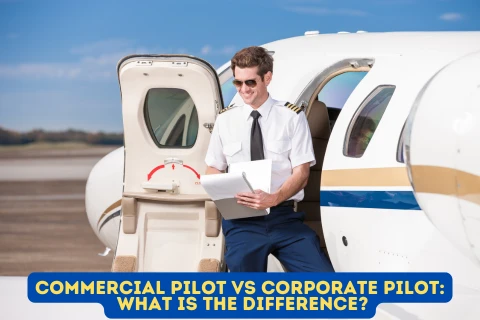
Did you know commercial pilots need at least 250 hours of flight time? In contrast, private pilots require just 40 hours. This difference underscores the rigorous nature of aviation careers, especially between commercial and corporate pilots12. For those aspiring to fly, grasping the differences between these roles is essential. Each path comes with its own […]
Commercial Pilots: 13 Jobs That Only Require 250 Total Hours

Given that the FAA requires pilots to log 1500 hours of flight time in order to earn their Air Transport Pilot (ATP) rating and thus fly for the airlines, there are a myriad of career opportunities that pilots with a commercial rating can pursue, with as few as 250 hours of total flight time. These […]
How do airport landing fees work?
Airport landing fees are one of the many ways through which the FAA is able to sustain the aviation industry. While the United States aviation system is heavily subsidized through federal tax dollars, airport landing fees help to provide funding to sustain the industry and keep it financially solvent. Landing fees help pay for keeping […]
Is a Private Pilot License Worth It?
The growth of the aviation industry has been impressive, with forecasts showing a 4.6% annual increase year-over-year. By 2029, it is expected to hit a whopping $396.15 billion in market value. This upsurge in the demand for air travel, paired with the aspirations of many general aviation enthusiasts, has sparked interest in private pilot licenses. […]
Can Pilots Fly with Tinnitus?

Tinnitus in and of itself, is not a medically disqualifying condition for pilots. Having said that, the FAA does recognize tinnitus as a condition of potential concern with respect to a pilot’s ability to safely operate an aircraft. Particularly when it comes to radio communications, cockpit communications, and situational awareness, the FAA does require that […]
Can A Person With Vertigo Become A Pilot?

Did you know that approximately 40% of adults in the United States will experience vertigo at some point in their lives? I know that I have, and it sure isn’t pleasant! This common condition, characterized by dizziness and a spinning sensation, can have significant implications for individuals in various professions. One such profession is aviation, […]
Can You Become A Pilot If You Have Heterophoria?

Yes, you can absolutely become a pilot if you suffer from heterophoria. Being diagnosed with heterophoria does not equate to an automatic disqualification from being able to earn your pilot license. Having said that, the path to earning the requisite medical clearance to fly requires a concerted effort, to demonstrate that your heterophoria does not […]